

Meet Serafima
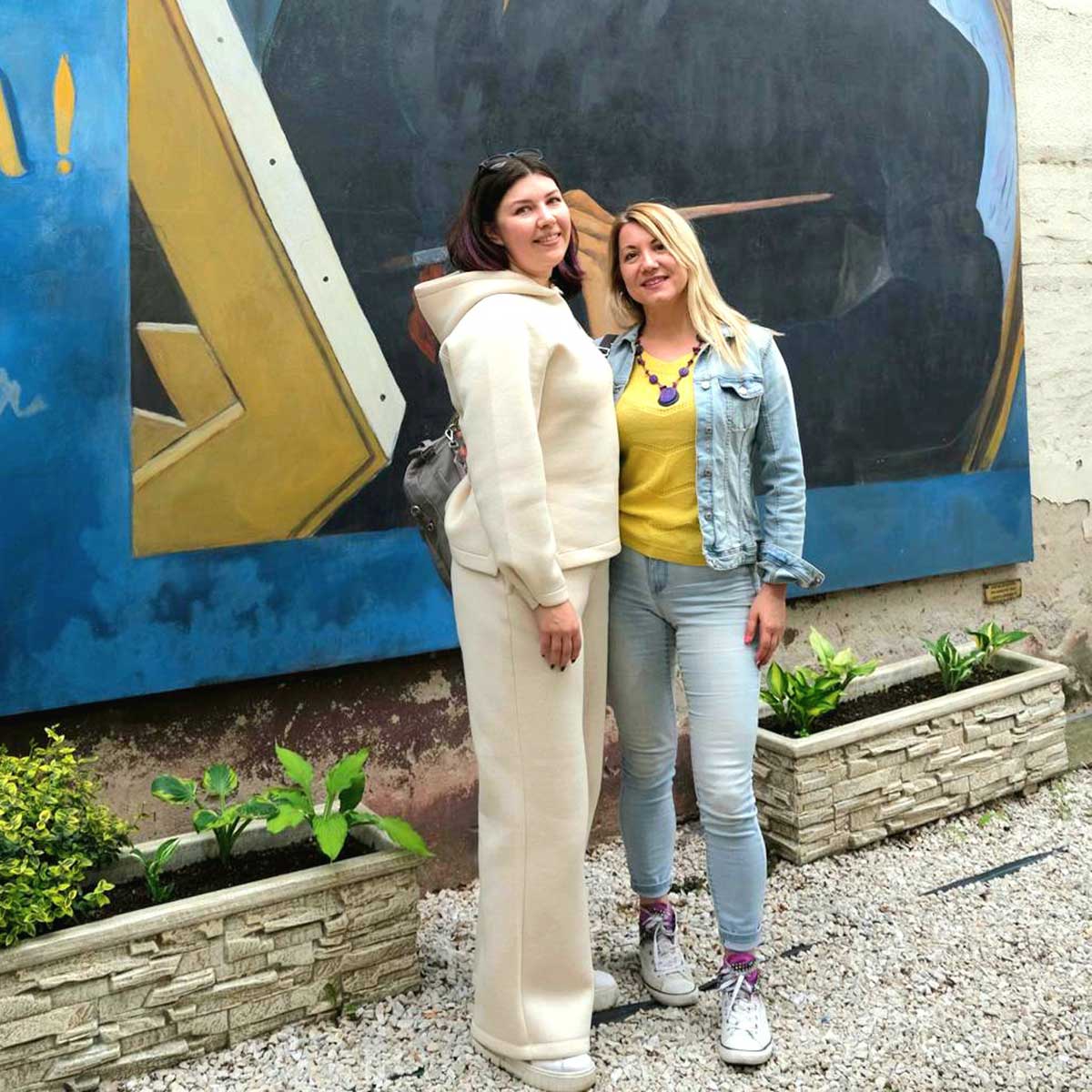
Serafima moved to Serbia from the Republic of Tatarstan, Russia — a move that came sooner than she expected. Once she settled in Belgrade, Serbian quickly became something she needed for everyday life, not just a language to admire from a distance.
Starting From (Almost) Zero
Serafima began practically from scratch — as much as that’s possible for a Russian speaker. Before arriving in Serbia, she’d never even heard what Serbian sounded like. But once she was here, something clicked: street signs, ads, and shop labels kept showing her words she recognized, or could piece together from Russian, Old Russian, or Church Slavonic. Reading, it turned out, came easily from day one — even before her first lesson with Milica.
Listening and speaking were a different story. Serbian sounded completely different, and that took real, dedicated practice to catch up.
Working Together
Lessons covered everything, step by step — grammar, writing, reading, speaking. When something mattered in the moment, like vocabulary for a doctor’s visit or a trip to the tax office, that took priority over the textbook. Nothing was ever rushed, and progress came anyway: steady, calm, and without pressure.
Where She Is Now
Serbian is simply part of daily life now. Serafima chats freely with taxi drivers about anything and everything — and often gets told she sounds like she’s “one of us.” The only giveaways left are č, ć, and the cases (padeži) — everything else has settled in. She reads serious books in Serbian without a second thought.
In Her Own Words
“I’m so grateful to Milica — not just because she’s an excellent teacher, though that alone would be enough. I actually speak Serbian more fluently and naturally now than English, a language I’ve used since I was seven and rely on daily at work. Beyond the language, Milica introduced me to Serbian culture — music, literature, humor, and most importantly, people. And she does it all with an open heart.”
On starting lessons with Milica:
“Don’t overthink it — just try. You’ll see how quickly you can improve.”
What she loved most:
“Getting to know a new culture through the language. It widened my whole view of the world — I saw that people can live, decide, and react differently. Now I get to take what I like from different cultures and choose what I want for my own life.”
What surprised her:
“That learning a language doesn’t have to be hard or exhausting to be successful. With the right approach, it can be pleasant, natural — and genuinely productive.”
